
Fake Pokies vs Real-Money Play: Comparing Operator Support and Game Mechanics
See also:
- Operator comparison: games, customer support
- National Casino
- Richard Casino
- VegaStars
- Bizzo Casino
- Joe Fortune
- What free-play pokies are and what they leave out
- Where free and real-money versions genuinely differ
- Free-play and real-money pokies side by side
- Using free pokies to judge a game before spending
- When moving to real-money play makes sense and when it does not
- Common questions about free and real-money pokies
- Playing within your limits in Australia
Operator comparison: games, customer support
National Casino and Richard Casino raise different questions here, from operator profile to customer support.
| Brand | Details |
|---|---|
| National Casino | National Casino pays out within €4,000 daily, €16,000 weekly and €50,000 monthly caps, VIP exceptions aside. |
| Richard Casino | Richard Casino’s Trustpilot page accumulates customer service reviews over time, letting players compare early complaints with later resolutions. |
| VegaStars | Pokie return figures describe long-run averages; at VegaStars the game rules are your main reference. |
| Bizzo Casino | A slot’s RTP is a long-run average across millions of spins, useful for comparing machines but not a predictor for one session. |
| Joe Fortune | Joe Fortune slots are open to adults 18 and over under a Curaçao licence, without Australian regulatory backup. |
Compare operators with that constraint in mind, using the slot entries to narrow the field. The row that holds up on your own phone is the one to take seriously.
National Casino
Licensing details sit with TechSolutions Group N.V., which holds the Curaçao certificate covering the domain as an approved site. The public terms themselves do not name the company, address or licence number. That gap is a reason to read the operator’s legal pages carefully rather than rely on the marketing footer.
Richard Casino
Reviews age, and that is their value. Richard Casino’s Trustpilot page holds customer service reviews and player-submitted experiences accumulated over time, so you can compare an early complaint with a later resolution. For a slots player weighing whether to register, that timeline is more useful than a promotional page.
VegaStars
A pokie’s return percentage tells you the long-run average, not what your next spin pays. On an offshore site like VegaStars, the published game rules are your main reference point, since Australian licensing safeguards do not apply. Neptune Projects SRL runs the platform from Costa Rica. Before depositing, look at the stake options on the titles you want, decide a session budget, and stop when it is gone.
Bizzo Casino
Pay attention to volatility when picking a slot. A low-volatility machine pays smaller amounts more often, which stretches a modest balance across more spins. High-volatility titles can leave you waiting through long dry spells for a single large payout. Neither is better in the abstract; the choice depends on whether you want a longer session at small stakes or a shorter one with a chance at a bigger result.
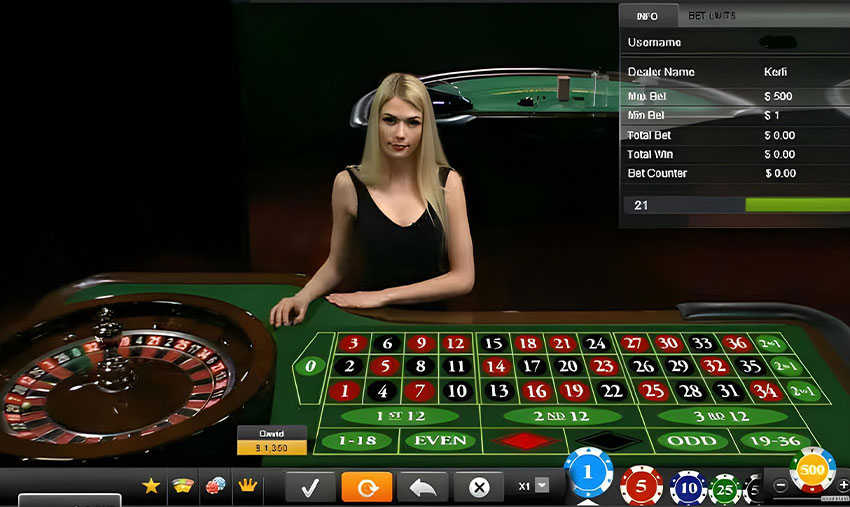
Joe Fortune
Joe Fortune’s slot catalogue serves players who want a range of games and cheap stakes. What you get in return is an offshore arrangement. Bonus terms have reportedly shifted after welcome offers were accepted, and payouts disputed beyond support fall to the Curaçao Gaming Control Board. Value the clarity of the terms over the size of the offer.
What free-play pokies are and what they leave out
The simulation is complete, the stakes are not
A free-play pokie runs the same game logic as its paid counterpart, but every wager is drawn from a virtual balance that has no cash value and can be reset at will. What the reader actually gets is the reels, the paytable, the volatility and the bonus triggers, available without depositing anything and usually without creating a funded account. That is a genuinely useful thing: it lets a game be judged on its mechanics rather than its marketing. What it does not replicate is everything downstream of the spin. A virtual balance cannot be withdrawn, so the demo tells you nothing about how a site handles identity validation checks, payout requests or the terms attached to a bonus. Those steps sit between a win and money in hand, and they are absent from the demo entirely.
Behaviour is the part the demo cannot show
The subtler omission is the player. A free-play session assesses how the game behaves, not how you behave once real money is involved. Stakes feel different when a losing run costs actual funds, and decisions made under that pressure are the ones that matter in a paid session. Treat free play as a product test rather than a rehearsal for gambling. It answers whether the pacing, hit frequency and bonus structure suit you; it cannot answer whether your budget and time on a paid site will hold. Those are separate questions, and conflating them is the most common way a demo session gives a false sense of readiness.
reef casino share price: Games, Bonuses and Payment Practicalities
Worth noting, too, that demo availability varies. Some titles are published without a free version, and a site may offer particular games in practice mode only. If a game is central to your decision, confirm the demo exists before building a plan around it.
Where free and real-money versions genuinely differ
The rules stay the same; the money and the pressure do not
A free-play pokie and its paid equivalent tend to share the same core game logic. Reels, paylines, bonus triggers and the visual presentation come from one build, so the spin you see in a free version behaves as the game was designed to behave. What changes is the layer wrapped around it: real play debits a balance, produces a transaction history and subjects every win to the operator’s terms before it becomes withdrawable. A demo balance is not owed to anyone, so nothing sits between a win on screen and a reset button. On a real-money site, that same win can carry playthrough conditions, maximum bet rules during bonus play and account verification requirements. The exception that trips people up is a game classified as a demo that behaves nothing like its paid counterpart — some free versions strip out bonus rounds, alter reel weighting or run a different configuration altogether. If the point of trying the game is to judge how it plays for money, a stripped-back demo can give you a misleading read.
Outcome weighting, not just the balance, is what shifts
In free play, the only thing at stake is the number on the demo meter, which resets whenever you choose. Real play attaches a real balance and real time to every spin, and that changes how a player behaves more than it changes how the reels fall. A losing run on a demo often reads as mild irritation; the same run on a paid balance can push a player to chase losses or increase stakes beyond a planned limit. The game’s payout structure does not bend to that pressure, and a demo session cannot tell you how you will react to a real losing streak. Use the free version to learn the paytable and bonus mechanics; it will not prepare you for managing your own spending. The drawdown you see on a demo moves nothing; the same pattern on a funded account does.
Free-play and real-money pokies side by side
The clearest way to choose between a free-play and a real-money pokie is to decide what you want out of the session before you spin. Free play is a demonstration: the reels, paytable and feature triggers behave as the game is coded, but no credit leaves an account and no money arrives. Real-money play puts a balance behind every spin, which changes what a win means, what a loss costs and what the casino requires of you before either happens.
That single distinction drives the rest of the comparison. Cost, potential return, account obligations and risk all follow from whether a stake is at issue.
| Criterion | Free-play version | Real-money version |
|---|---|---|
| Cost to play | None; you play with a demonstration balance | Each spin deducts a stake from your balance |
| Winnings | Displayed credit with no cash value | Withdrawable subject to the casino’s terms and any verification |
| Features | Full game mechanics are usually shown | Same mechanics, but outcomes carry financial consequence |
| Account required | Typically not needed for a demo | Registration and identity checks apply before withdrawal |
| Risk | No money at risk | Stake is at risk on every spin |
| Best fit | Learning the paytable and volatility | Playing for a genuine payout |
Features and game rules tend to mirror one another because a demo is normally the same game code with a practice balance. What diverges is everything around the game. A real-money session involves a user account, identity verification and the casino’s withdrawal conditions; a demo avoids all of it. The trade-off is straightforward: free play removes financial risk but also removes any return, while real-money play offers a possible payout at the cost of exposing your stake.
sky crown casino australia | game access
A useful test is to ask whether the feature you are curious about is worth paying to see. If you want to understand how a bonus round triggers and how the paytable reads, free play answers that without spending. If the point is to win money, only the paid version does that, and the losses along the way are part of the deal. The exception to watch: not every demo matches the paid game exactly, so treat the free version as a guide to mechanics, not a guarantee of odds.
Choose free play when the goal is familiarity or entertainment without cost. Choose real-money play when you accept the stake as spent and understand the account and verification steps that precede any withdrawal.
Using free pokies to judge a game before spending
Watching the volatility, not the wins
A free-play version uses the same reels, symbol set and paytable as the paid game, so the pattern of results tells you something the advertising cannot. Volatility is the character of that pattern: how often a win arrives and how much of the total return sits in rare, large outcomes. You are not measuring your luck or the game’s future behaviour. You are watching whether small wins recur steadily or long dry stretches end in one substantial hit. The practical question is whether you enjoy that rhythm, because a high-volatility pokie that pays rarely will feel very different from a low-volatility one that trickles smaller amounts. A brief demo session proves little, since a few spins are a slim sample and a fortunate run in free play tells you nothing about later results. Longer sessions give a better sense of the shape of the game, not a prediction.
Judging features and pace under real conditions
Bonus rounds, free spins and expanding symbols are where most of a pokie’s appeal and most of its variance live. Use demo play to see how a feature is triggered, how long it takes to reach one and how the feature actually resolves. A scatter-triggered bonus that appears after many spins shapes the session differently from one that arrives often with small rewards. Pace matters too: autoplay settings, spin speed and the number of paylines all affect how quickly your balance would move if you were staking real money. Set the demo stake to a level comparable to what you would genuinely bet, then notice how fast a run of losses consumes it. That exercise reveals the cost of your chosen pace without costing anything. What demo play cannot show you is how you respond to losing actual money; the emotional pull of chasing a near miss is absent when the credits are fictional. Treat the demo as a test of the game, not of your self-control, and let the decision rest on whether the features and rhythm suit you.
When moving to real-money play makes sense and when it does not
The decision starts with what you are actually buying
Free-play pokies ask nothing of your bank balance. Moving to real-money play means you are now paying for each spin and accepting the chance of losing what you stake. The switch is reasonable when entertainment spending is already set aside, you understand that the return is uncertain, and the game you have been practising is the one you intend to play. It is not a sensible step if you are trying to recover free-play losses, chasing a result, or treating a good session as evidence of future wins. Those are reasons to stop, not to deposit.
Choosing the largest bonus or the flashiest lobby is a shortcut that misleads you. Treat those as marketing signals rather than measures of what the game costs you. The useful criterion is whether you can name the maximum you are willing to lose before you start and still enjoy the session if you lose it.
Checks on the site and on yourself before the first paid spin
Before spending, read the terms that apply to your account and any offer attached to it. The clauses worth finding are the wagering conditions on bonus funds, withdrawal rules, and how deposits and balances are held. A term that restricts withdrawals until playthrough is met changes the real cost of the offer, even when the headline number looks generous. Confirm the site is one you are comfortable using, that you can access your account details, and that the payment method you plan to use is supported for your situation. Account and identity requirements are usually set out in the registration and verification terms rather than the game screen.
On the personal side, decide the session limit and the total budget in advance, then check the site’s deposit-limit and time-limit tools if you intend to use them. If you cannot answer what happens when your balance reaches zero, you are not ready to switch. Real-money pokies are a paid form of entertainment, not a route to income, and the option to stop or not play at all is always available.
Common questions about free and real-money pokies
If a demo pokie pays out frequently but the real version feels different, is the demo rigged to look more generous?
No. Demo and real play usually run the same game logic, so any gap you notice over a short session is normal variance, not a hidden adjustment. Frequent small wins in a brief demo prove nothing about your next paid session.
Can playing free pokies tell me anything reliable about my chances of winning with real money?
It can show how features trigger, how volatile the game feels and how fast the reels move. It cannot tell you your odds of a winning session, because each spin is independent and a short demo sample is far too small to indicate your results.
If I keep topping up free credits to keep playing, is that a sign I should stop rather than switch to real-money play?
Yes. Resetting a demo balance to chase the same feeling is worth treating as a warning. The usual limits, time and spend, still apply, and the demo balance is resetting precisely so no real money is at stake.
Playing within your limits in Australia
Playing within your limits is not a restriction the game imposes but a set of decisions you make before it starts, and the useful distinction is between limits that are visible to you only and limits enforced by the site. A deposit cap, a session reminder or a self-imposed cooling-off period works because you set it while calm and the entry stands when you are not. Australian players must be 18 or older, and BetStop provides a national self-exclusion register that blocks you from gambling with participating operators. State regulators and the ACMA oversee the market. If spending stops feeling like a choice, contact Gambling Help Online on 1800 858. Chasing losses turns a pastime into a debt.